
Feb 6- “Ngorongoro” is the sound of the Masai cowbells used on their lead cattle.
 l
l
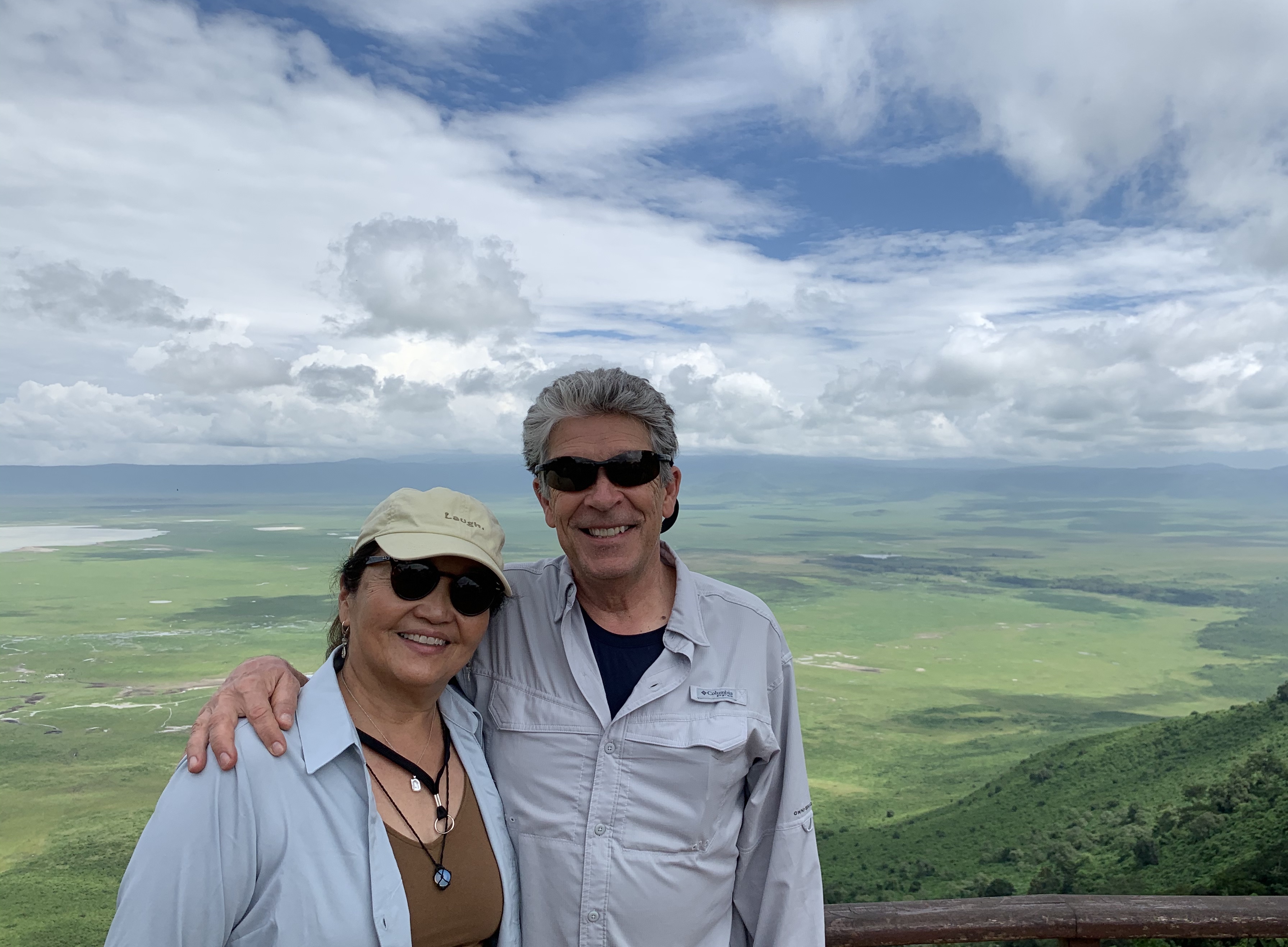
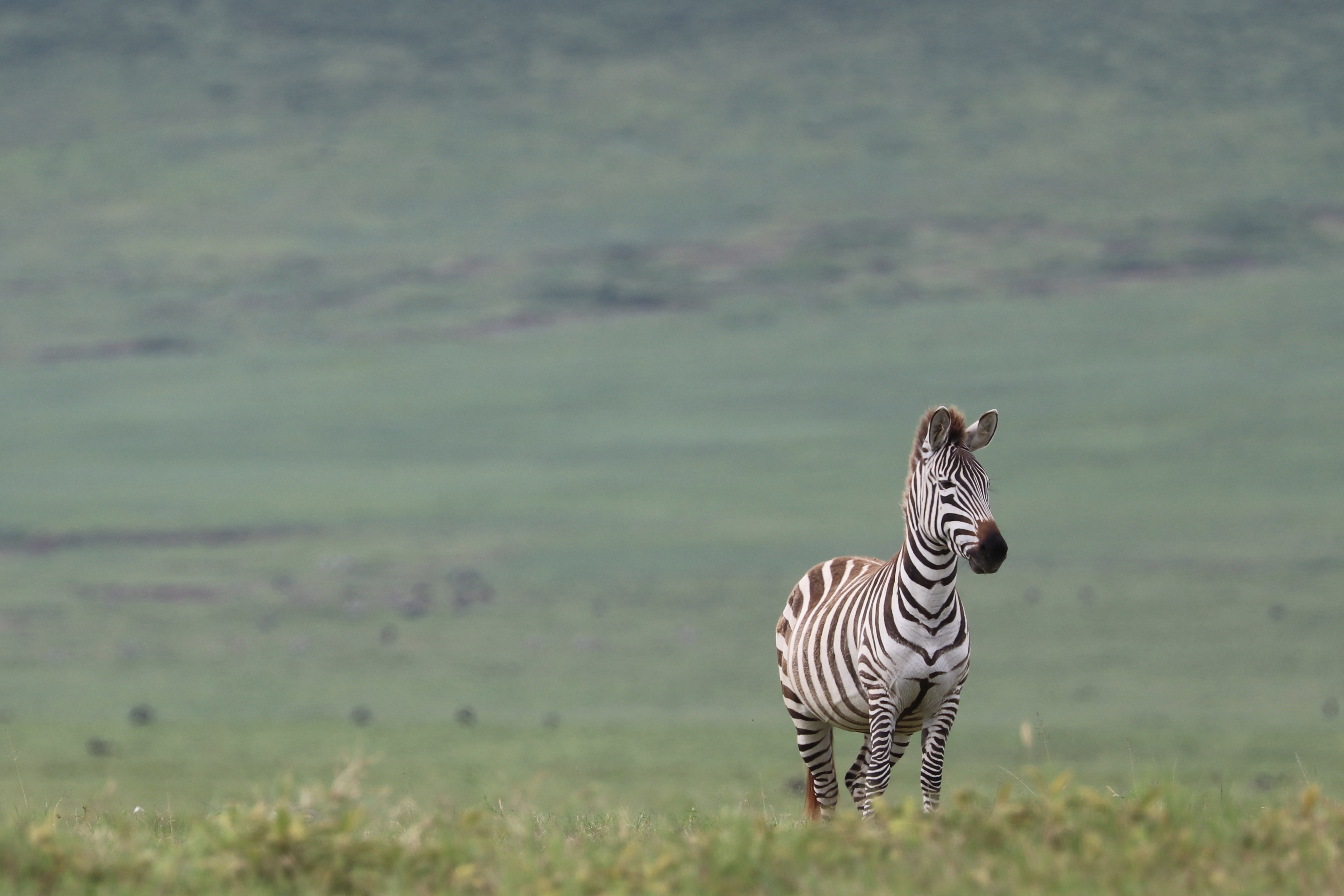
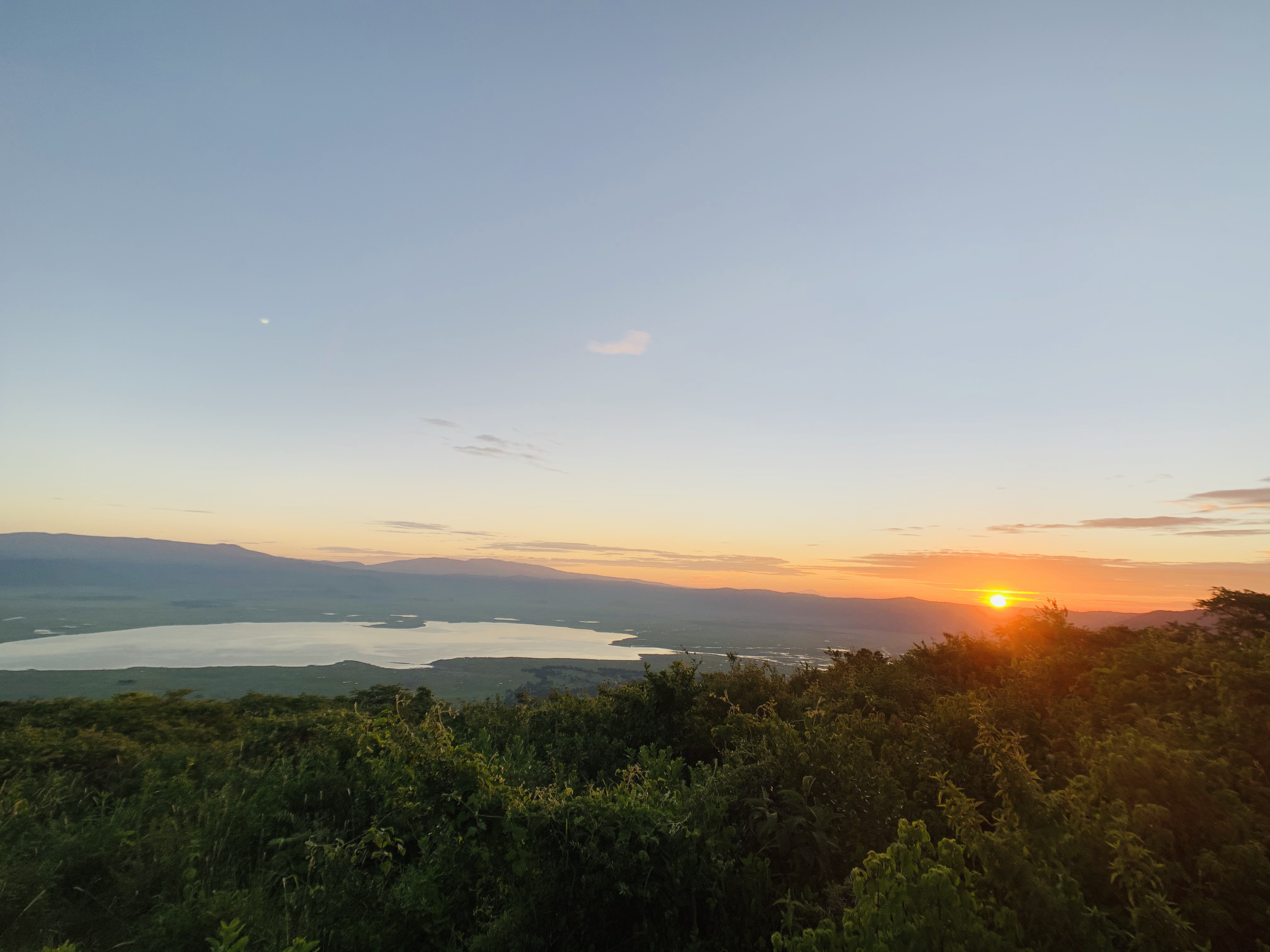
The Ngorongoro Crater is a UNESCO World Heritage Site. It is an enclosed inactive caldera that sustains wildlife year round. The wildlife is plentiful and diverse and no longer need to migrate because they find sufficient food and water there. The crater floor is at 5900′ and covers just over 3200 square miles. In 2009 The Ngorongoro Conservation Act placed restrictions on human settlement/farming in the crater.

Masai village above the crater. Below we are looking into the crater.

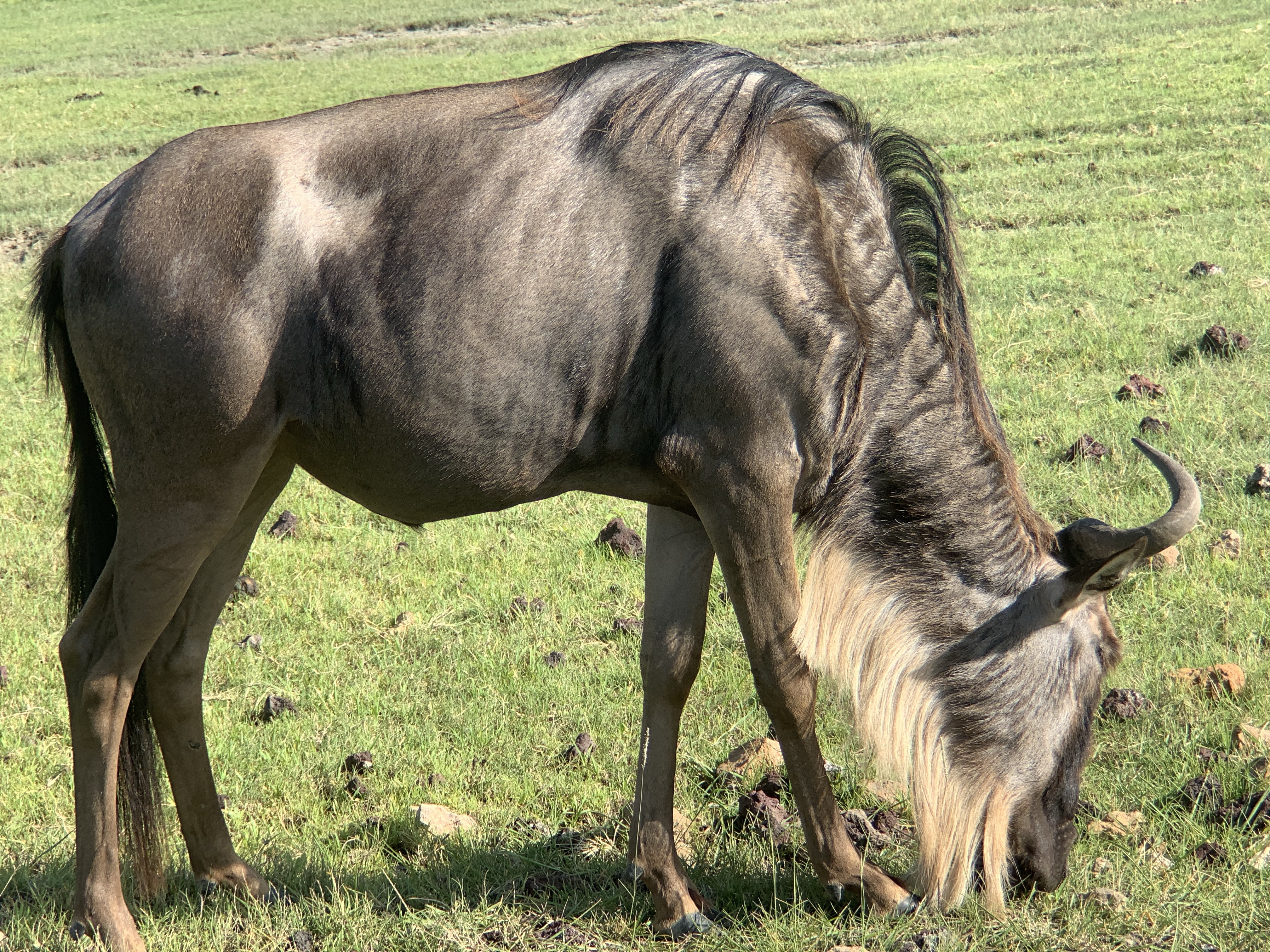
Wildebeast aka Gnu



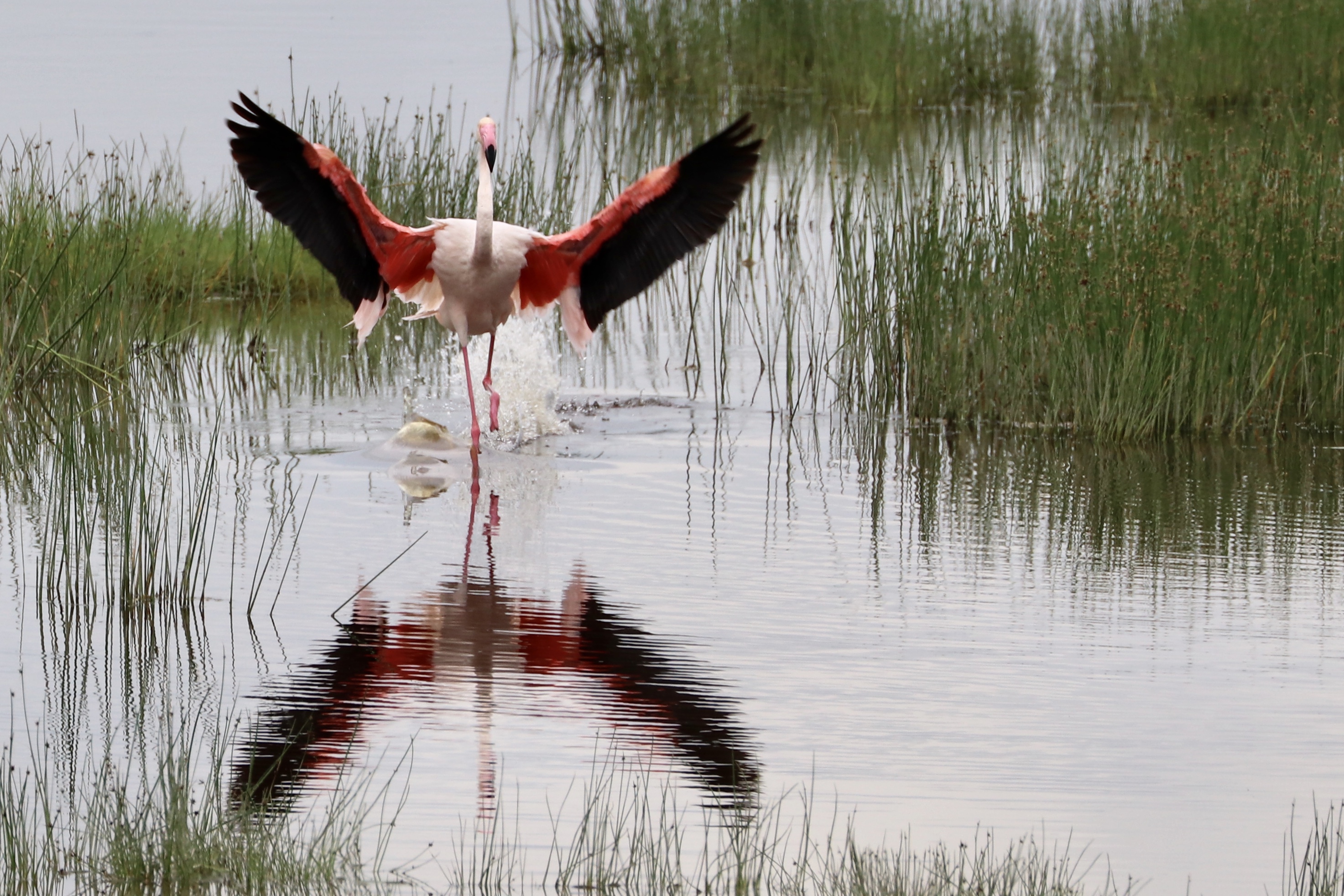
Flamingos
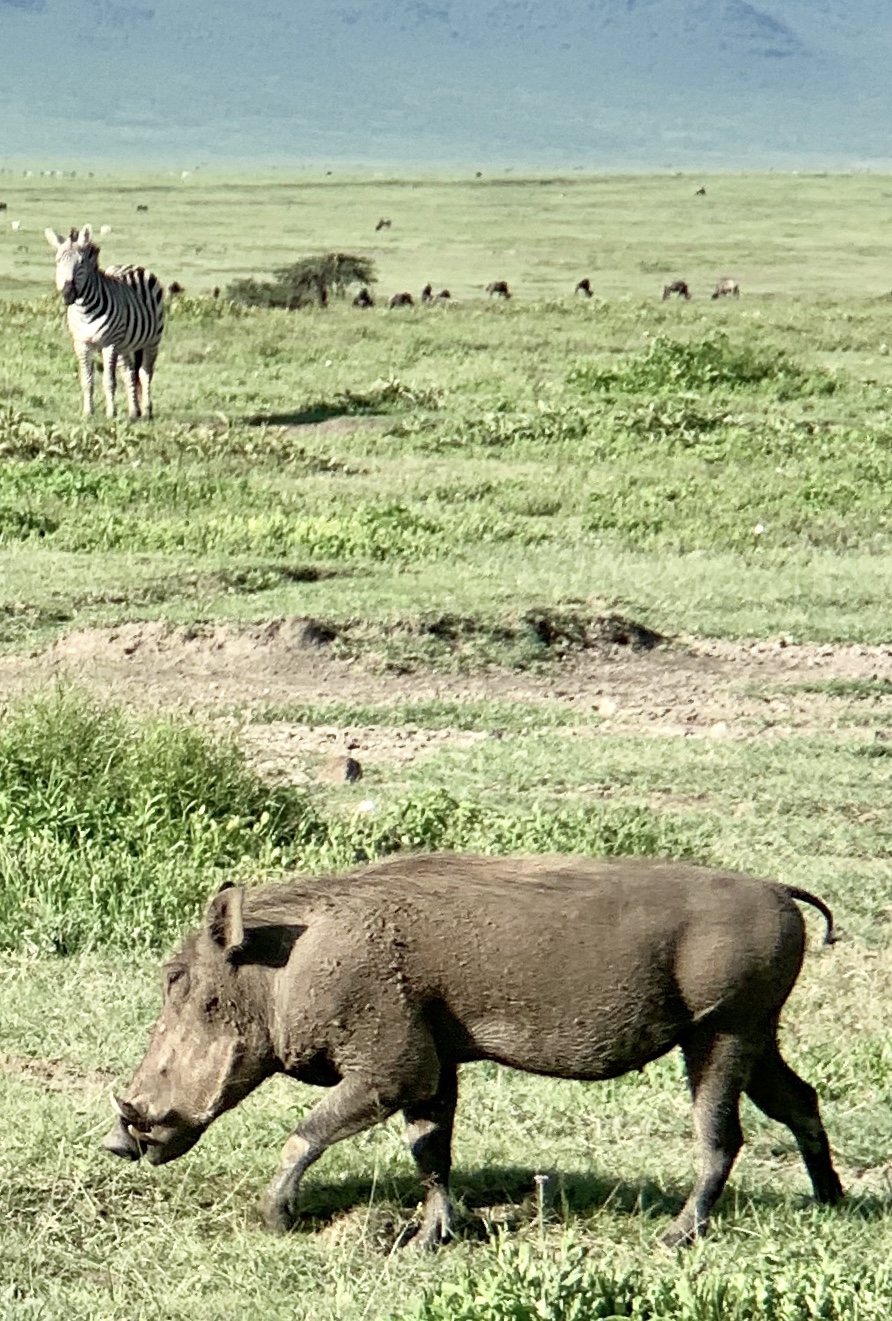

Two baby wart hogs and Mom Warthog!


Ostrich
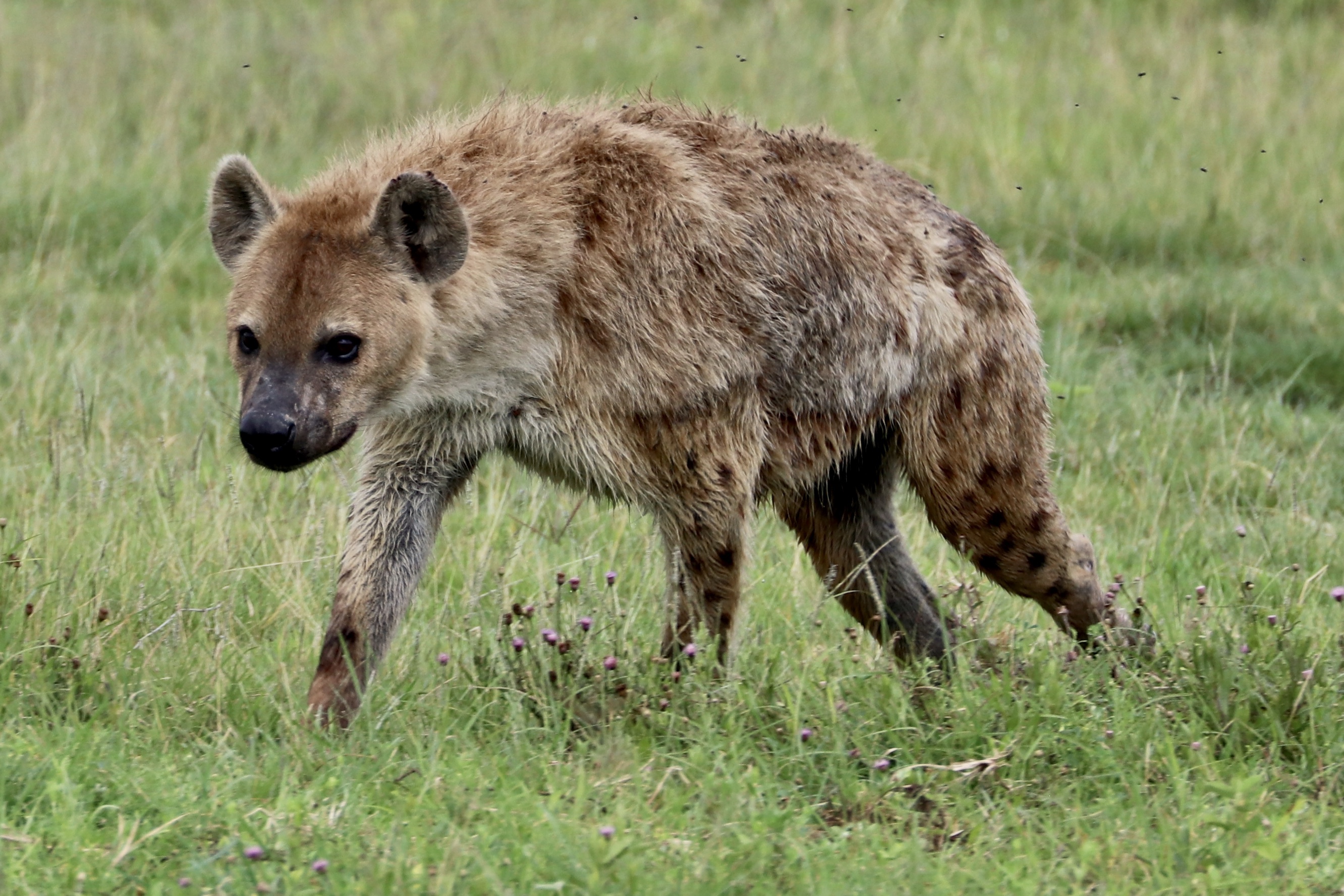


Hyena
Leaving the crater, the road to our camp was muddy and washed out. It was a scary ascent! We stayed on the rim of the crater at Pakulala (Place to Sleep) Camp.

Greeted on the way by a Cape Buffalo.

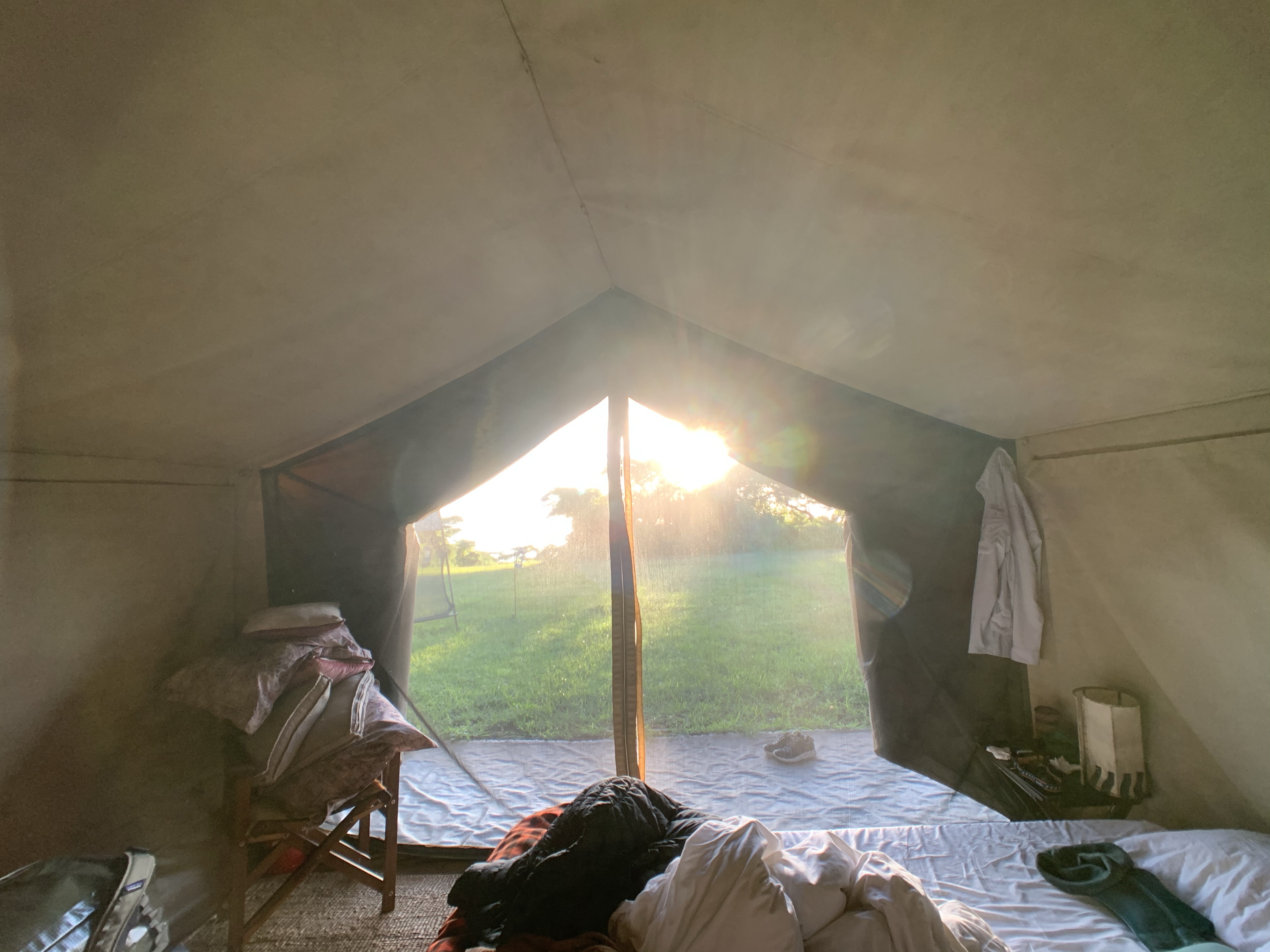
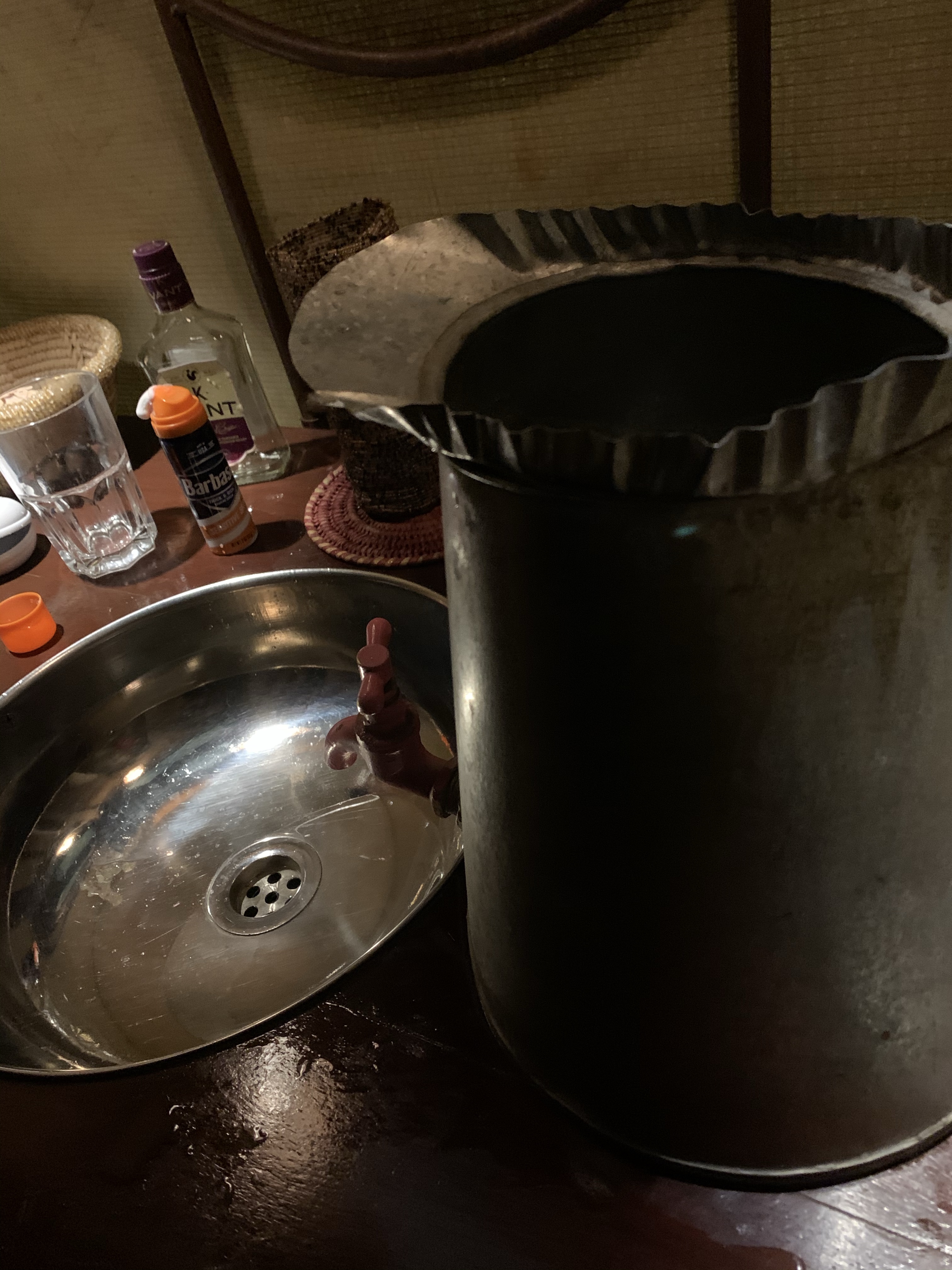
Hot water poured into this metal pitcher in the am.
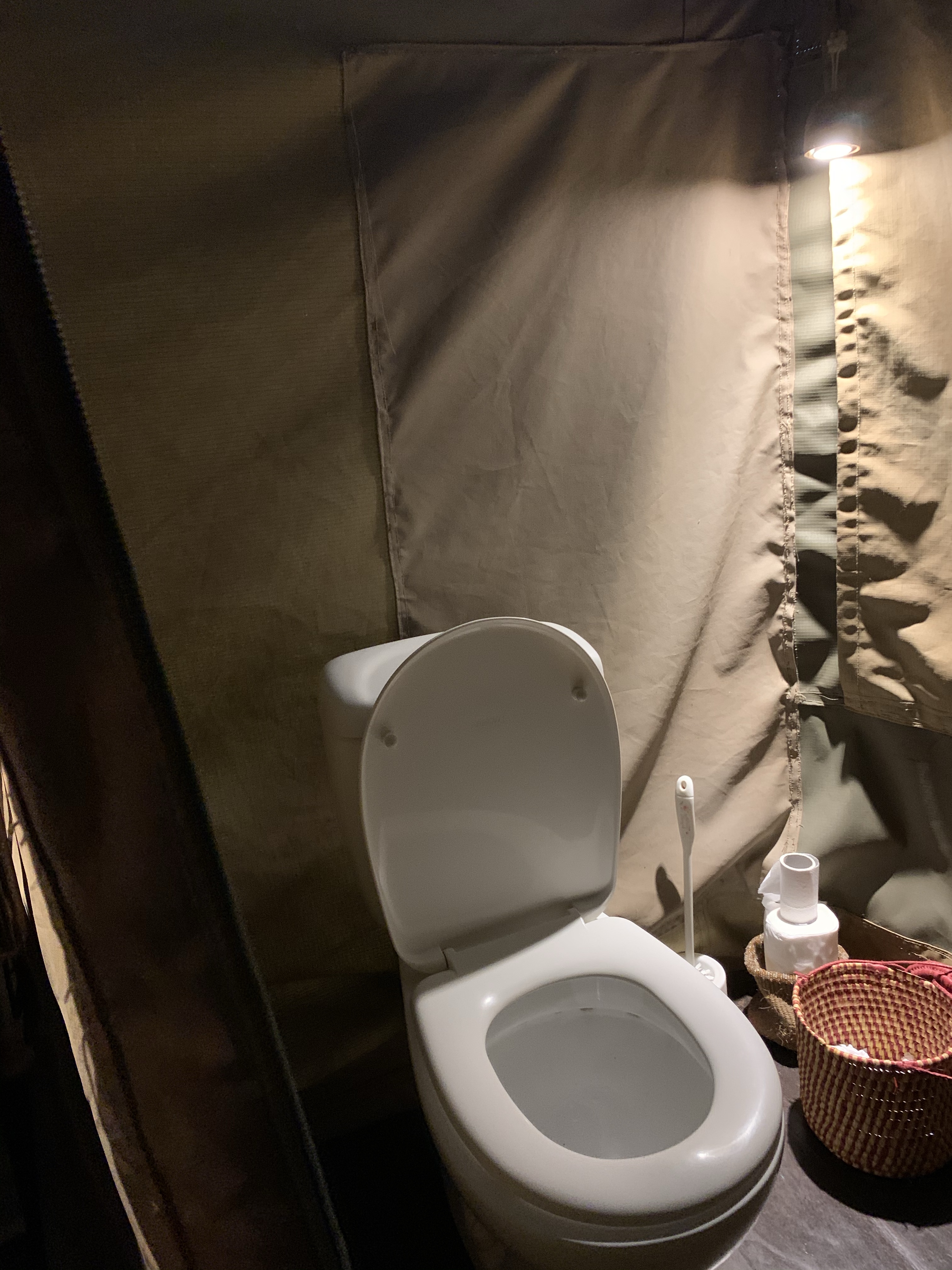


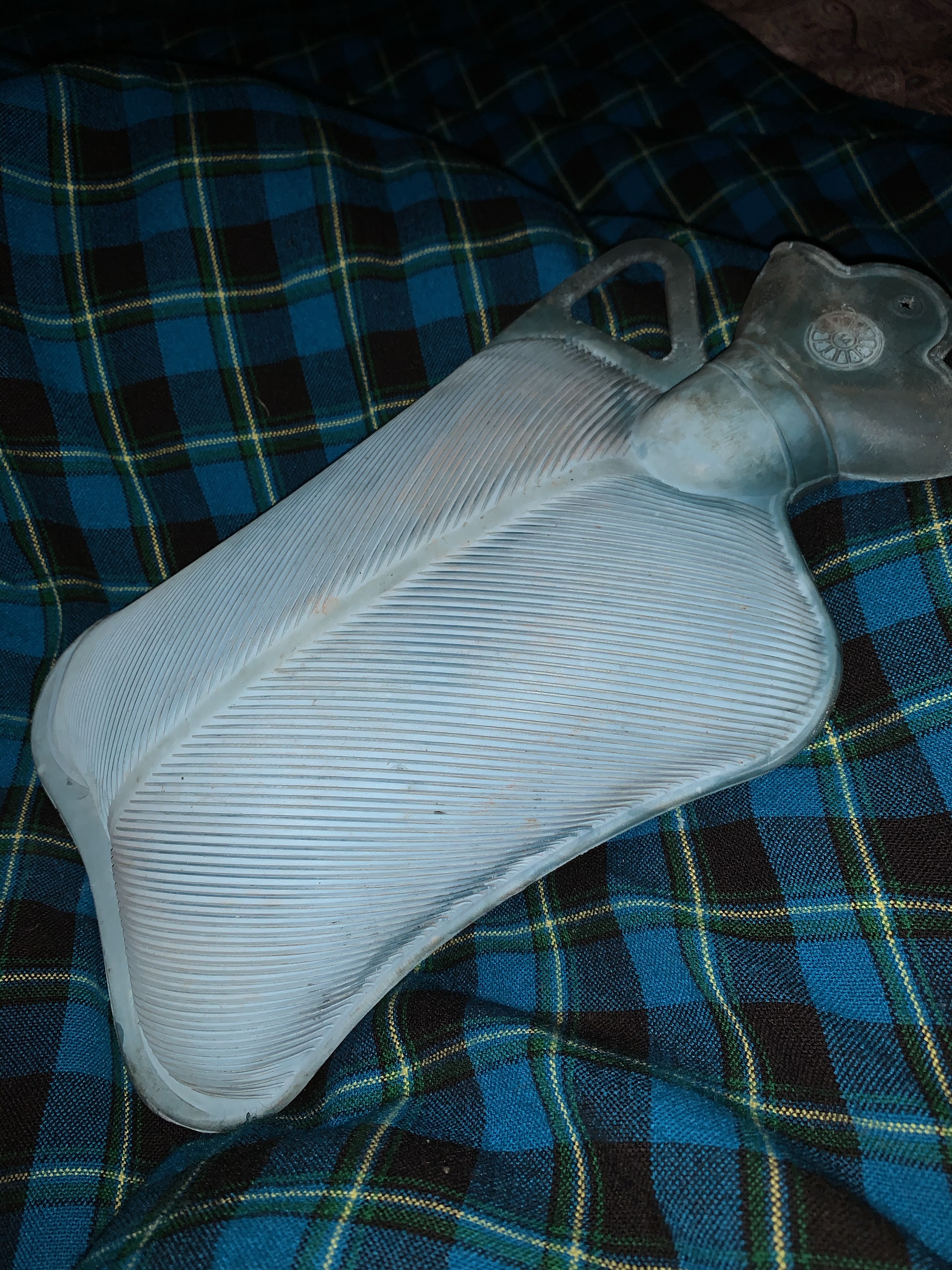
What a treat to find this hot water bottle in bed! Helped take the chill away throughout the night.
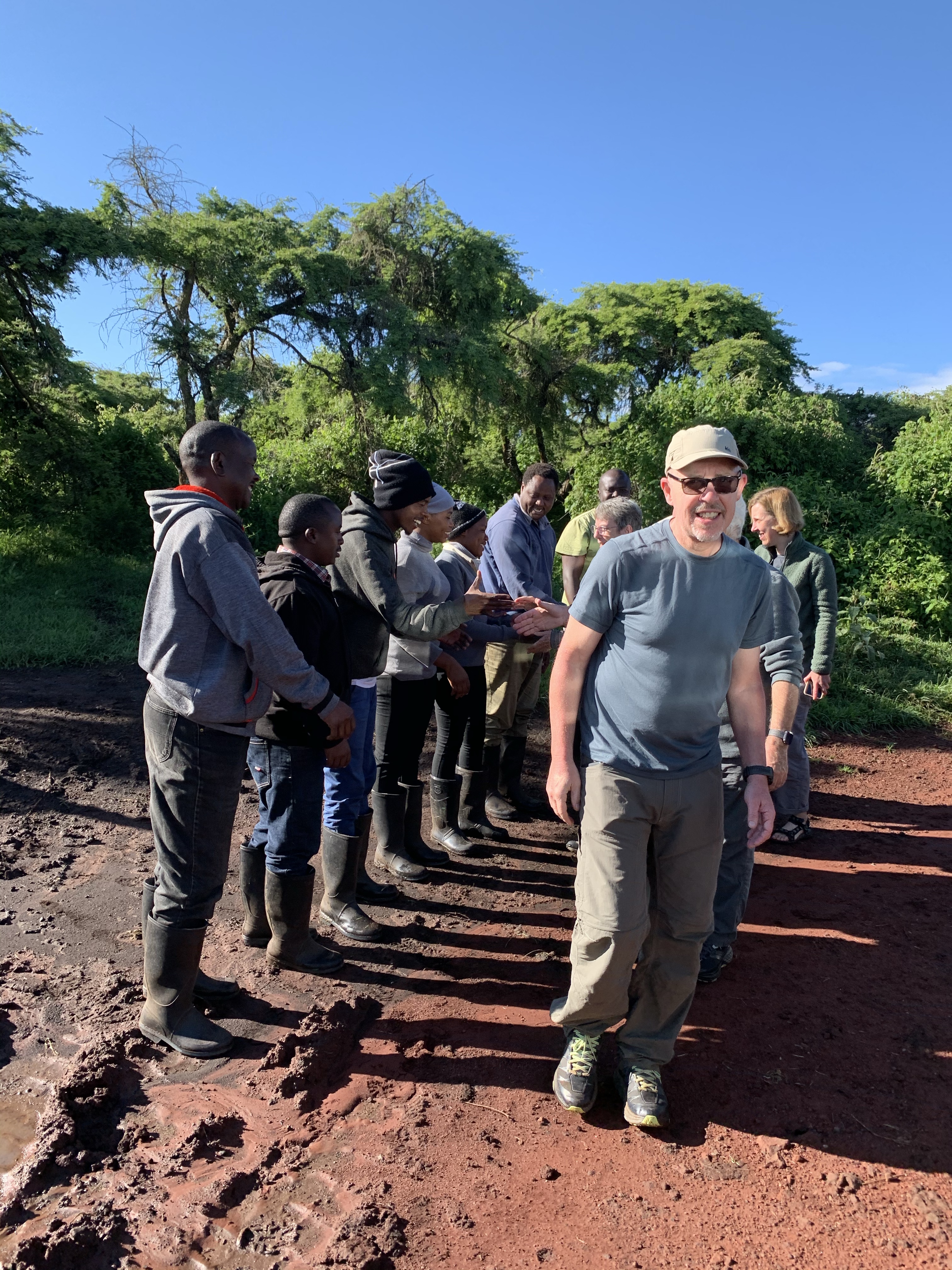
A good bye send off from the Camp Pakulala Crew. Good bye Ngorongoro!
 Vagabond Hearts